
Planning a remodel in Ouray? Learn how preservation rules can affect permits, materials, and scope—plus practical steps to budget confidently and keep historic cabin character intact.

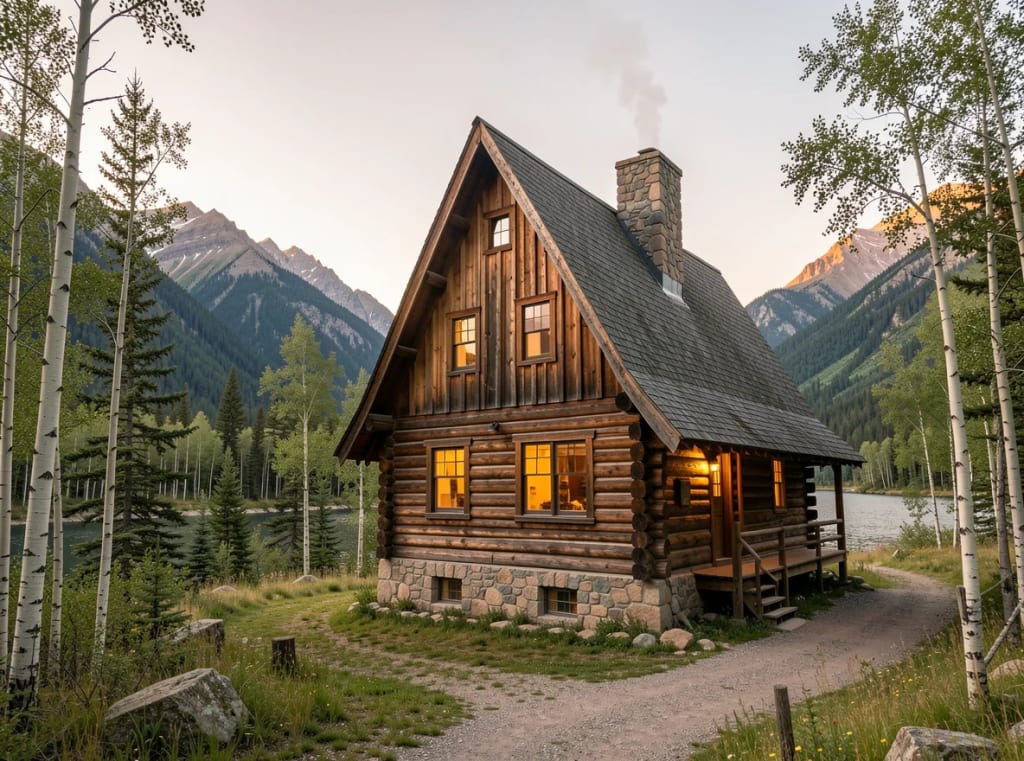
Ouray's historic cabin charm is part of what makes the town feel like a true San Juan Mountain enclavebut that character can also shape what's possible when you remodel. If you're eyeing an older home near Main Street or tucked along the Uncompahgre River corridor, preservation expectations can influence everything from window profiles and exterior siding to rooflines built for heavy snow loads.
In this guide, we'll walk through the common constraints that surprise buyers and owners: how permitting timelines can expand, why material choices may need to match the neighborhood's era, and where hidden conditions (stone foundations, aging utilities, moisture from freezethaw cycles) can change your scope and budget. You'll also learn how to plan a renovation that respects Ouray's look while still improving comfort, efficiency, and long-term value.
In Ouray, the appeal of older cabins and cottages often comes with an extra layer of oversight. If a home sits in a locally designated historic area or has features considered "character-defining," your remodel may require more than a standard building permit. Exterior changes that seem straightforward elsewhere—replacing windows, altering porch railings, changing siding, or updating a roofline—can trigger design review, added documentation, and longer timelines. Before you finalize a scope, confirm what approvals apply and ask what materials and details are typically expected for similar properties in town.
Preservation-focused review doesn't automatically mean "no," but it can change the smartest path forward. Many owners find that keeping visible elements consistent (wood profiles, trim proportions, roof materials, and paint palettes) helps approvals move more smoothly, while allowing more flexibility inside the home. Budgeting should also account for specialty trades, lead times for historically appropriate products, and the possibility that opening walls reveals older framing or past repairs that need correction. A clear plan—what must stay, what can change, and what needs review—reduces surprises and helps you prioritize upgrades that protect both livability and long-term value in Ouray.
In Ouray, preservation rules often show up most clearly in the materials list. Before you fall in love with a remodel concept, confirm what the local review process expects for visible exterior elementsespecially roofing, siding, windows, and trim. A common surprise is that a modern replacement window package (even if energy efficient) may be flagged if the proportions, muntin pattern, or reflectivity reads out of character for a historic cottage.
Build your scope around what's easiest to approve: repair-first approaches, like restoring original wood details, and choosing historically compatible finishes. Then budget for Ouray realities: specialty trades (stone, carpentry, metal roofing) can book out, and mountain logistics can add lead time for custom millwork or matching materials. If you're renovating near the Uncompahgre River corridor or in the tight valley streets, plan for staging space and delivery access earlyit can affect both schedule and cost.
Historic-cabin charm can pencil out in Ouray, but only if you underwrite the constraints up front. Start with zoning and use: short-term rental eligibility, parking requirements, and any limits tied to a property's location or historic status can change your income assumptions. Before you plan an addition, confirm setbacks, height limits, and lot-coverage rules—tight valley lots and steep terrain often reduce what's buildable.
Competition is another variable. Well-kept, character-rich homes can attract multiple buyers, while properties needing major work may sit if the renovation path is unclear. For financing, assume stricter lender scrutiny on older cabins: condition issues (roof, foundation, outdated electrical) can trigger repair escrows or require renovation loans, and insurance costs may be higher in mountain environments. Finally, local regulations and permitting timelines matter—if approvals require design review or historically appropriate materials, your schedule and budget should include contingencies for specialty trades and longer lead times. A conservative scope, documented bids, and a clear permit plan are often the difference between a profitable remodel and a costly surprise.
In Ouray, the charm of an older cabin often comes with a second "owner": preservation review. Before you finalize a scope, start with market research on comparable historic homes—look at what buyers pay for intact exterior character versus updated kitchens, baths, and mechanicals. That helps you prioritize improvements that protect resale value without triggering unnecessary design changes.
Next, map your approval path. Ask early whether your property falls under local historic guidelines and what that means for exterior work like window replacements, siding, roofing profiles, decks, and visible additions. Many surprises happen when owners assume "like-for-like" materials are automatically approved.
Finally, evaluate property type constraints: steep lots, tight access, and older utilities can affect timelines and budgets as much as the design rules. A local expert can help you sequence inspections, contractor bids, and permit conversations so your remodel stays realistic from day one.
Sign in with your email address
You’re being redirected to the page with listing data.