
Learn the top fixer-upper red flags common in Denver's older brick homes—plus inspection, negotiation, and repair-budget tips to protect your cash before you waive contingencies.

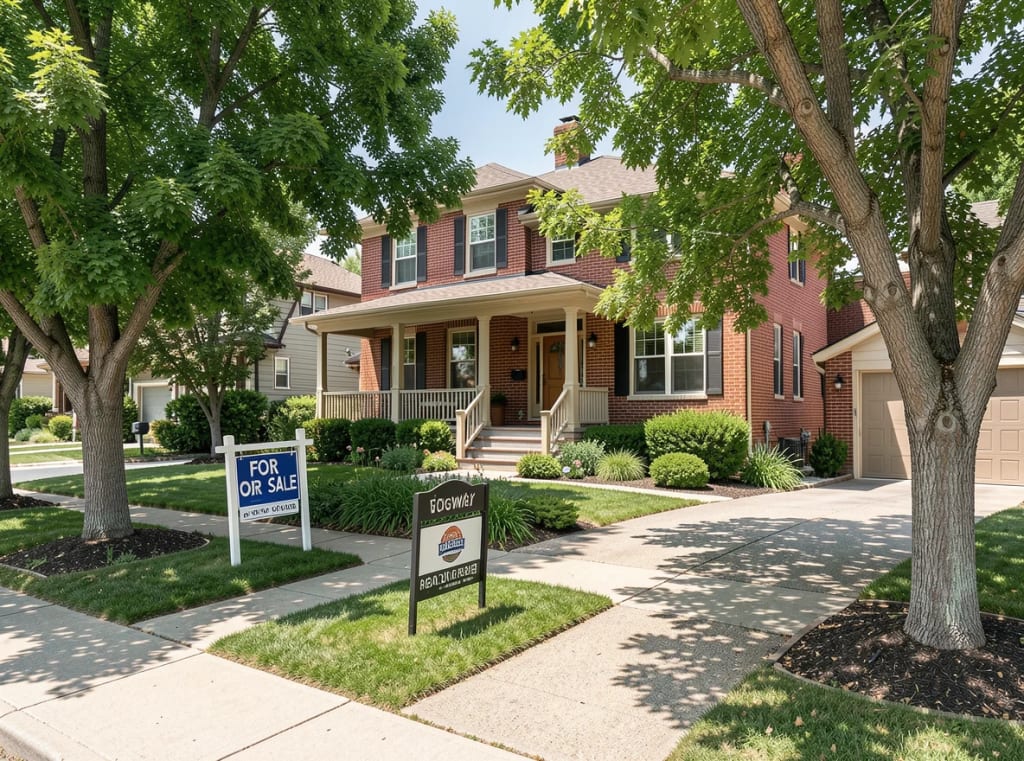
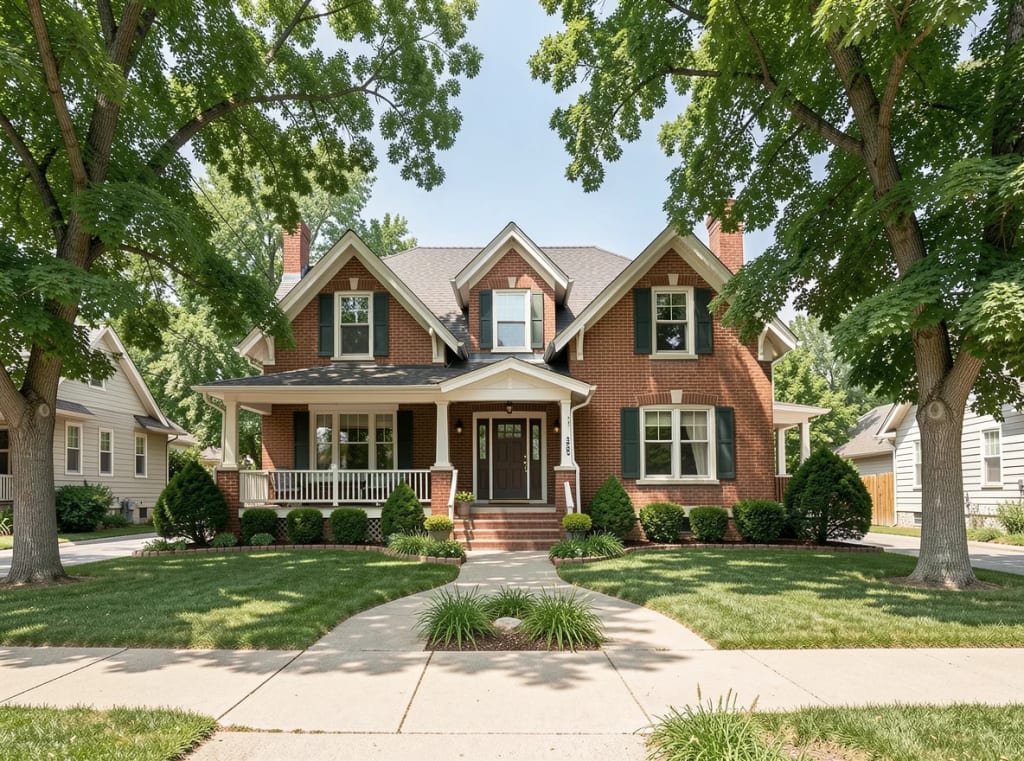
Denver's older brick bungalows and Denver Squares can be incredible valuebut the wrong fixer can quietly turn into a budget sinkhole. In neighborhoods with early-1900s to mid-century housing stock, it's common to see charming curb appeal paired with hidden issues like aging sewer lines, foundation movement, outdated electrical panels, or moisture problems in raised basements. Add in Denver's freezethaw cycles, hail risk, and the temptation to waive contingencies in a competitive offer, and small defects can become expensive surprises.
This guide breaks down seven inspection red flags that frequently show up in Denver-area fixer-upperswhat they look like during a showing, which specialists to call, and how to estimate repair ranges before you negotiate. You'll also learn practical ways to structure your offer (inspection timelines, credits, and repair requests) so you can pursue a project home with clearer numbers and fewer regrets.
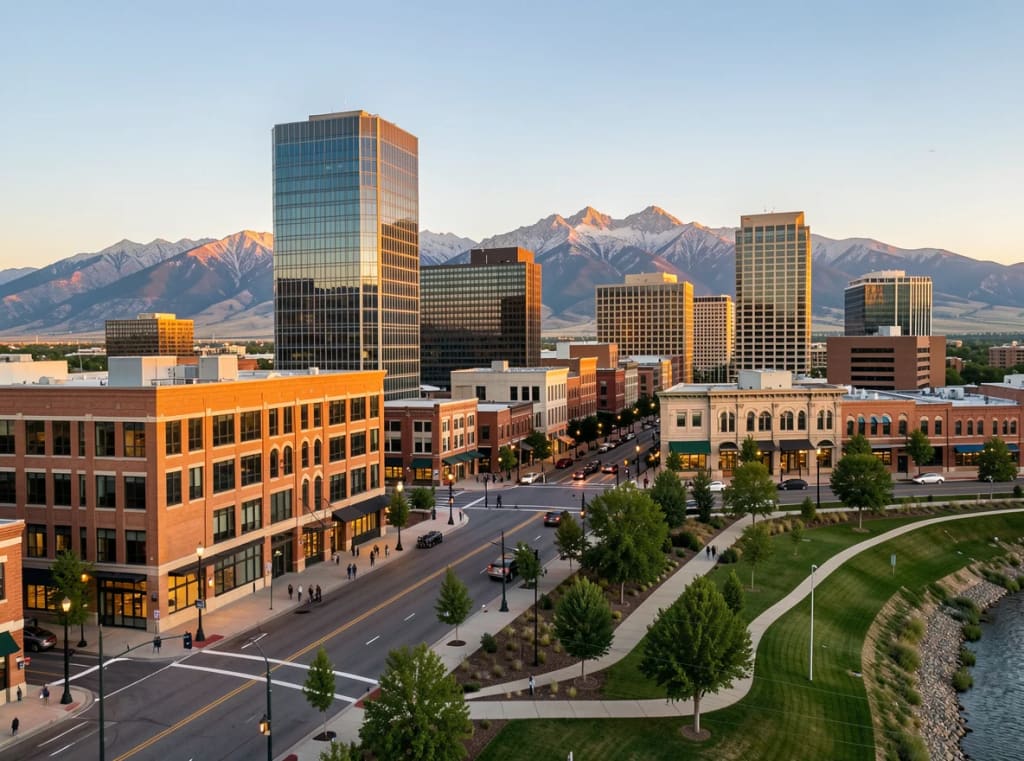
In Denver's 1900–1970 single-family stock, fixer-upper red flags tend to be system-driven and neighborhood-comparable: aging sewer lines, outdated electrical panels, foundation movement in older brick bungalows, and roofs near end-of-life. Because buyers can compare similar homes block-by-block, these issues often translate into sharper inspection negotiations and more predictable credits—especially when inventory is tight and multiple offers push buyers to waive contingencies. The risk isn't just the repair; it's the speed of the decision. If you're touring quickly, prioritize "big-ticket" checks (sewer scope, roof age, panel capacity) before you assume a cosmetic project is a bargain.
Mountain markets can price risk differently. Seasonality and access matter: snow load, freeze-thaw cycles, steep driveways, and well/septic performance can turn into expensive surprises, and contractor availability may stretch timelines. That means the same "needs work" label can carry a larger contingency buffer—or a bigger discount—depending on the time of year and how many comparable sales exist nearby. For buyers, the takeaway is to match your due diligence to the market: in Denver, move fast but verify the core systems; in the mountains, budget extra time and reserves for logistics and weather-related wear.
If you're shopping Denver's older brick bungalows and Denver Squares (often 1900–1970 builds), the fastest way to protect your budget is to get fully underwritten pre-approval before you tour. In a multiple-offer situation, that strength can help you keep the inspection protections you need for fixer-upper red flags.
Next, build a repair reserve into your offer strategy. For homes with aging systems, plan for line items like sewer scope findings, roof life, electrical panel upgrades, and foundation movementissues that can surface quickly in Denver's older neighborhoods.
Finally, work with a local agent who can coordinate the right specialists early (general inspector plus sewer scope, roof, and structural as needed) and help you negotiate credits vs. price reductions. In the mountains, access, snow load, and well/septic can shift priorities; in Denver, it's often infrastructure and older construction details.
If you're selling an older Denver brick bungalow or Denver Square, the fastest way to lose buyers is to let "quiet" red flags show up late—especially sewer scope surprises, foundation movement, aging electrical, or roof/HVAC end-of-life. Start with a pre-listing inspection and (for many 1900–1970 homes) a sewer scope so you can price with real numbers instead of guesses. A smart pricing strategy is to separate cosmetic updates from true system risk: buyers will forgive dated finishes, but they'll discount heavily for unknown structural or mechanical exposure.
Staging should reinforce confidence. In urban homes, highlight clean mechanical areas (panel, furnace, water heater) and make basements feel dry and bright with lighting and dehumidification. For mountain properties, emphasize access and durability—clear snow-management plans, service records, and any mitigation work—because buyers worry about logistics as much as condition. Timing questions come up constantly: list when you can show the home at its best (light, access, curb appeal), but don't wait if a known defect will worsen. In negotiations, expect buyers to ask for credits on big-ticket items; come prepared with contractor bids and a clear "repair vs. credit" stance. To stand out in a crowded market, market the work you've done with documentation—permits, invoices, and warranties—so your fixer-upper feels like a manageable project, not a budget trap.
If you're touring Denver's 1900–1970 single-family homes, treat the "red flags" in this guide as a checklist you bring to every showing. Start by ranking issues into three buckets: safety/structural (foundation movement, roof failure, major electrical), systems (sewer line, HVAC, plumbing), and cosmetic (paint, flooring, fixtures). Then build a realistic repair plan: get at least one contractor walk-through when possible, add a contingency buffer for older brick bungalows and Denver Squares, and keep your lender's renovation rules in mind before you waive anything.
For sellers, the same list becomes a pre-listing playbook: address the high-impact items that spook inspections (roof, sewer scope, electrical panel), document permits/receipts, and price with transparency so negotiations don't unravel late.
Want a second set of eyes on a specific property or inspection report? Leslie Hebron Brown and Colorado Craft Brokers can help you prioritize repairs, negotiate credits, and keep the numbers honest through closing.
Sign in with your email address
You’re being redirected to the page with listing data.